


very beauty professional knows the sinking feeling that comes with a quiet chair. The clock ticks past the ten-minute mark, the meticulously prepared workstation sits empty, and a high-value time slot slips away completely.
No-shows and last-minute cancellations are more than just an operational annoyance; they are a direct hit to your monthly profits. In an industry where time is literally currency, an empty slot represents lost revenue that you can never recover. But what if you could transform these frustrating gaps into opportunities for growth? By shifting your approach from reactive frustration to proactive, automated prevention, you can insulate your business from losses.
The secret lies in treating scheduling gaps as a psychological and structural problem rather than an emotional one. When you integrate an advanced client appointment engine into your business, you unlock the ability to analyze reservation patterns, implement automated safeguards, and build an airtight client experience. Let’s dive deep into the math behind missing appointments, look at what the broader hospitality and beauty sectors can teach us about boundary-setting, and explore how a modern client appointment engine can protect your time while cultivating bulletproof client loyalty.
The True Cost of an Empty Chair
To solve the problem of missing appointments, you must first calculate its actual financial impact. Many business owners view a single cancellation as an isolated, minor setback—perhaps a $100 loss for an hour of service. However, when you analyze macro-industry data, the numbers reveal a much more alarming story.
According to data compiled by industry watchdogs like Phorest Salon Software, the average salon loses thousands of dollars every single year purely due to empty chairs and unfulfilled slots. If your beauty studio experiences just two mid-tier no-shows per week, that can easily equate to over $800 a month in lost potential. Over the course of a fiscal year, that leaks nearly $10,000 directly out of your pockets.
2 No-Shows / Week  ✕  $100 Average Ticket  =  $200 Weekly Loss
$200 Weekly Loss   ✕  52 Weeks            =  $10,400 Annual Revenue Leak
This structural leak doesn’t just impact your immediate take-home pay; it restricts your long-term business equity. It limits your ability to buy high-end back-bar stock, invest in luxury salon upgrades, or scale your local client acquisition campaigns.
Furthermore, high cancellation rates disrupt your staff’s morale. When top-tier service providers are left waiting around with nothing to do, momentum stalls, and job satisfaction drops. To combat this, modern beauty brands are abandoning traditional paper diaries and legacy tools. Instead, they are adopting an all-in-one client appointment engine to establish clear, automated boundaries that safeguard provider schedules and ensure highly predictable cash flow.
Decoding Booking Data to Predict Vulnerabilities

Not all appointments carry the same level of cancellation risk. By evaluating historical reservation data within your dashboard, you can spot distinct patterns and predict which slots are most vulnerable to being skipped. This predictive mindset lets you take action before the calendar gap even happens.
Data trends across consumer behavior studies highlighted by platforms like Harvard Business Review reveal that customer commitment levels drop significantly when specific digital and social factors are present. Here are the three most common risk indicators found in beauty and wellness calendars:
1. The “First-Time” Friction Point
Brand-new clients who discover your business via search engines or social media have a statistically higher no-show rate than long-term, loyal guests. Because they haven’t yet stepped foot in your physical space or formed a personal bond with your staff, their psychological commitment to the appointment is low. If they find another option or simply lose track of time, they are far more likely to disappear without notice.
2. The Digital Blind Spot
Clients who book weeks or months in advance without being fed consistent, automated touchpoints are highly prone to forgetting their appointments. Life moves fast, and an appointment made six weeks ago can easily be overwritten by a chaotic work week or family commitments. If your calendar system doesn’t nudge them elegantly, you are trusting their memory to protect your revenue.
3. Pre-Holiday Hubbub
Paradoxically, the busiest times of the year—like the frantic weeks of December or the peak of early summer wedding seasons—often see a spike in last-minute cancellations. Clients become overwhelmed by conflicting social and professional events. Without an automated framework to hold them accountable, your premium weekend slots become collateral damage to their busy schedules.
When you recognize these patterns using your specialized client appointment engine, you can deploy targeted automated sequences to mitigate risk well before the client ever has the chance to miss their session.
The Behavioral Psychology of the “Ghosting” Phenomenon
To truly conquer the empty chair challenge, we must look at the consumer behavior patterns behind why individuals “ghost” their service providers. In modern digital communication, the friction required to cancel an appointment can sometimes feel more uncomfortable to a consumer than simply failing to show up. If a client realizes they cannot make a time slot at the last minute, anxiety regarding potential confrontation may cause them to avoid communication entirely.
This is where a modern client appointment engine serves an important dual purpose: it acts as a neutral, professional intermediary. By providing clients with a frictionless, self-serve digital portal where they can modify bookings or request adjustments up to your permitted policy cutoff, you remove the social anxiety of cancellation.
When you make it easy, respectful, and clear to change an appointment online, consumers will choose transparency over disappearing. This structural transparency gives your team advanced warning, allowing you to react dynamically rather than discovering a gap after the service hour has already begun.
Implementing Frictionless Financial Safeguards
The single most effective way to eliminate missing appointments is to introduce financial accountability into the online reservation process. While some traditional salon owners worry that requiring cards on file or structural deposits might push clients away, modern consumer research shows the exact opposite.
Consumers value efficiency and respect transparent, secure professional boundaries. Consumer payment trend reports from Square confirm that modern buyers view digital card captures as a sign of a credible, established enterprise.
| Safeguard Method | Implementation Trigger | Psychological Impact | Risk Reduction Rate |
| Partial Pre-Payments | High-value, long-duration services (Balayage, Lash Extensions) | Client has an immediate financial stake; respects the slot as a purchased asset. | ~70% Drop in No-Shows |
| Secure Card-on-File | Everyday maintenance bookings (Brow shaping, quick blowouts) | Establishes mutual respect and signals that time slots carry real financial worth. | ~50% Drop in No-Shows |
| Automated Retainers | Peak holiday seasons or weekend bookings | Insulates the business during maximum demand periods when empty chairs cost double. | ~85% Drop in No-Shows |
Smart Deposits and Partial Pre-Payments
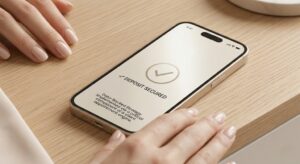
Requiring a non-refundable deposit for high-value or time-intensive services instantly shifts the client’s mindset. When a guest has a financial stake in the time slot, the likelihood of an unexcused absence drops dramatically. Your modern client appointment engine should handle these transactions smoothly during the checkout process, keeping the experience elegant and friction-free.
Secure Card-on-File Policies
For standard maintenance bookings, a clear booking policy backed by a secure credit card capture is highly effective. Inform clients during the checkout sequence that their card will be securely stored and only charged in accordance with your explicit cancellation window (e.g., less than 24 or 48 hours’ notice). This establishes a culture of mutual respect regarding scheduling without adding friction to the booking flow.
Elevating the Automated Communication Journey
A premium brand experience relies heavily on what happens between the moment a client clicks “Book” and the second they walk through your doors. Standard, robotic text reminders feel cold, clinical, and are easily swiped away. To build true client retention, your automated communication sequence should feel like a natural extension of your in-person luxury service.
A high-retention, value-first communication sequence built into a premium client appointment engine looks like this:
Step 1: The Instant Digital RSVP
Send a beautifully branded email and text confirmation immediately after an online booking is secured. Include a direct calendar integration button so the client can save the date to their personal Apple or Google Calendar with a single tap.
Step 2: The 48-Hour Pre-Appointment Warm-Up
Send an automated text message 48 hours before the service. Instead of a sterile reminder, frame it around anticipation and preparation. Share a link to your pre-appointment care guide, hair prep tips, or localized parking instructions. This adds immense value while gently bringing the time commitment back to the top of their mind.
Step 3: The 24-Hour Micro-Touchpoint
Send a final, actionable confirmation text requiring a simple “Y” reply to confirm. If your software detects that a client hasn’t responded within a specific afternoon window, it can automatically flag your front desk to send a quick, warm, personalized follow-up, keeping your master schedule optimized.
By styling these messages with warm, professional language, you reinforce your brand’s premium value while giving the client an easy, guilt-free way to reschedule if an emergency has come up.
Step-by-Step: Auditing Your Salon’s Cancellation Leakage
If you are ready to fix your calendar leaks once and for all, use this structured operational plan over the next 30 days to measure, manage, and eliminate empty time slots:
-
Calculate Your Baseline: Look at your past 90 days of calendar data. Total up the number of unexcused absences and multiply it by your average ticket cost to find your true financial leak.
-
Review Your Copywriting: Look closely at your reminder notifications. If they sound robotic or demanding, rephrase them to sound welcoming, luxury-focused, and centered around preparing for their luxury treatment.
-
Activate the Safeguards: Turn on card-capture or automated partial deposits for any service requiring more than 90 minutes of provider time.
-
Deploy a Cloud-Based Waitlist: Ensure your booking portal has a self-serve option where clients can join a list for fully booked days.
By treating these administrative steps as part of your standard business hygiene, you shift your energy from chasing lost revenue to providing top-tier craft experiences.
Transforming Open Gaps into Last-Minute Revenue
Even with the most sophisticated automated safeguards in place, genuine emergencies happen. People get sick, cars break down, and last-minute cancellations will occasionally occur. The differentiator between a highly profitable brand and a struggling one lies entirely in how quickly you can fill those sudden openings.
Instead of manually scrolling through an old paper waitlist or frantically posting desperate updates on your personal Instagram stories, modern beauty entrepreneurs rely on automation. An advanced client appointment engine features intelligent, self-filling waitlists.
When an appointment is cancelled, the cloud system automatically scans your database for clients who have actively requested that specific day, time frame, or service provider. It sends an instantaneous notification giving them the exclusive opportunity to claim the newly opened slot.
[ Sudden Cancellation ] ──> [ Automated Waitlist Scan ] ──> [ Instant Push Notification ] ──> [ Slot Filled Online ]
This creates an efficient, self-healing calendar. Your loyal clients get access to hard-to-get slots they’ve been waiting for, and your business completely reclaims what would have otherwise been a total financial loss. This level of responsiveness is exactly why thousands of independent salons use specialized platforms like Mindbody and specialized directories to handle real-time demand shifts.
Cultivating Bulletproof Loyalty Through Transparent Communication

Ultimately, minimizing missing appointments comes down to clear communication and building deep, respectful relationships with your guests. Your cancellation policy should never feel punitive or aggressive; it should be framed as an essential tool that protects your team’s livelihood and ensures equal availability for all of your clients.
When you introduce an all-in-one client appointment engine to your daily operations, you aren’t just adding a backend utility tool—you are completely upgrading your brand’s digital identity. By combining secure financial protections, predictive data tracking, and elegant, high-touch communication, you create a seamless ecosystem that respects your time and elevates your customer service standards. Step away from the stress of the empty chair and let data-backed automation secure the predictable, thriving revenue your hard work and talent deserve.
Discover how your business can show up professionally and attract high-intent clients by exploring the specialized tools available on the GlowHives Platform. Whether you are managing a high-end salon or building an independent practice, presenting your business in a clean, organized way ensures that clients feel confident booking and following through. Explore our custom solutions for Spas and discover how to build an experience that looks professional and feels safe from the very first click.
Frequently Asked Questions (FAQs)
1. Will requiring a credit card to book online scare away potential new clients?
No. Modern consumer trend data shows that clients are completely accustomed to securing digital reservations with a credit card, whether they are booking a hotel room, reserving a dinner table, or hailing a rideshare. Presenting a secure card-on-file policy during checkout reinforces your professionalism and instantly positions your beauty business as a high-demand, premium brand.
2. How far in advance should my cancellation window be set?
The golden standard across the beauty and wellness sectors is typically 24 to 48 hours. A 48-hour window gives your business ample time to leverage an automated waitlist inside your client appointment engine to fill the open spot, while a 24-hour window offers excellent flexibility for your clients’ changing lifestyles.
3. What is the best way to handle a loyal, long-term client who misses an appointment for the first time?
Relationships are the foundation of your business. If a consistently reliable client misses a slot due to a genuine emergency, use your client appointment engine to waive the penalty fee as a gesture of goodwill. You can easily log a private, internal note in their client profile to track occurrences and ensure the behavior doesn’t become a recurring habit.
4. How can a specialized client appointment engine help me fill last-minute cancellations?
Advanced platforms track real-time client demand through digital waitlists. The moment a slot opens up unexpectedly, the platform automatically alerts clients who requested that specific time frame or service, enabling them to claim the spot instantly online without requiring manual outreach from your reception team.
5. Should I charge the full service fee or a partial fee for a last-minute no-show?
Many premium beauty brands charge 50% of the scheduled service fee for a late cancellation (within 24 hours) and 100% for a true no-show where no notice is given. Whatever you choose, ensure your policy is clearly detailed on your website, your booking widget, and your initial confirmation emails so there are never any surprises.
6. Can a small, independent beauty provider benefit from an automated client appointment engine?
Absolutely. In fact, independent beauty professionals often benefit the most because they do not have a front-desk receptionist to handle manual reminders and fill empty slots. An automated client appointment engine acts as a virtual assistant that runs 24/7, protecting independent revenue and saving hours of administrative work every single week.
Ready to eliminate empty slots, automate your revenue protection, and deliver an elegant, premium client experience? Discover how the all-in-one platform at GlowHives can transform your beauty business today.