

New Graduate Esthetician: A 90-Day Professional Roadmap
Becoming a new graduate esthetician is an exciting step into a career built around care, creativity, service knowledge, and meaningful client connections. Your education has given you an important foundation in skin care, sanitation, consultation, and service technique; your first 90 days in a salon, spa, studio, or wellness setting are an opportunity to turn that foundation into confident daily habits.
This period is not about having every answer on day one. It is about learning the rhythm of your workplace, building a repeatable approach to client care, asking thoughtful questions, and discovering the professional strengths you want to develop. With a positive, organized approach, a new graduate esthetician can create a strong start that supports long-term growth in the beauty industry.
The First 30 Days: Learn the Workplace Rhythm
Your first month as a new graduate esthetician is a time to observe, practise, and become familiar with how your specific workplace serves clients. Each setting has its own service standards, room setup, product systems, consultation process, booking rhythm, and team communication style. Learning these details helps you contribute with clarity and professionalism.
Start by paying close attention to the complete client journey. Notice how clients are welcomed, how appointments are prepared, how service information is explained, and how the team creates a comfortable transition from one appointment to the next. This observation gives a new graduate esthetician a practical view of how technical skills and thoughtful hospitality work together.
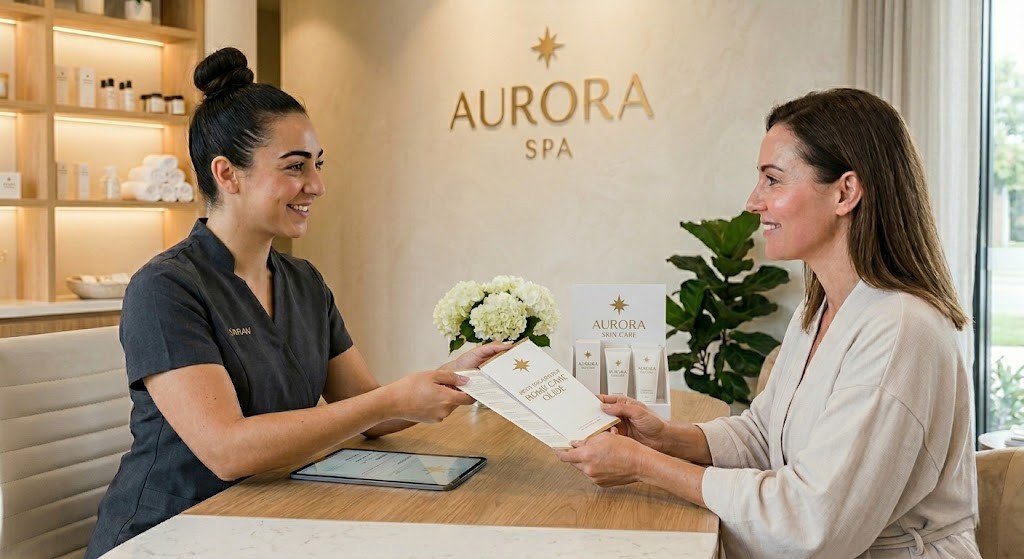 It can be helpful to keep a private learning notebook or digital document during this stage. Record approved workplace procedures, product knowledge notes, common client questions, timing observations, and topics you want to revisit with a mentor or manager. A clear record can make each new shift feel more familiar and can help you recognize your progress over time.
Understand the service environment
Every treatment space benefits from consistent preparation. Learn where approved supplies are stored, which items are single-use, how the team prepares rooms, and what steps are expected before and after each service. Public Health Ontario provides infection-prevention and control resources for personal service settings, including aesthetics, hair services, tattooing, and piercing. Review personal service setting guidance alongside your workplace’s own procedures and local requirements.
A new graduate esthetician can build confidence by creating a simple pre-service routine: review the appointment, prepare the room, confirm that needed supplies are ready, and give yourself a moment to focus before greeting the client. A consistent process supports a calm, polished experience.
Ask practical workplace questions
Questions are a sign of professional engagement. During your first weeks, ask about the processes that help the team work smoothly. Focus on learning rather than trying to memorize everything immediately.
- How are client consultations documented and reviewed?
- What is the preferred room-reset process between appointments?
- Who should you speak with when you need product or service clarification?
- How does the team communicate timing changes or appointment updates?
- What resources are available for continued product and service education?
For a new graduate esthetician, this kind of curiosity supports collaboration. It also helps you become familiar with the systems that make client care feel coordinated from the first greeting through the final goodbye.
Esthetician Workflow Tips for Confident Service Days
Esthetician workflow tips are most useful when they help you create repeatable habits without taking attention away from the person in front of you. A well-organized day allows you to bring more focus to consultation, service quality, client comfort, and thoughtful communication.
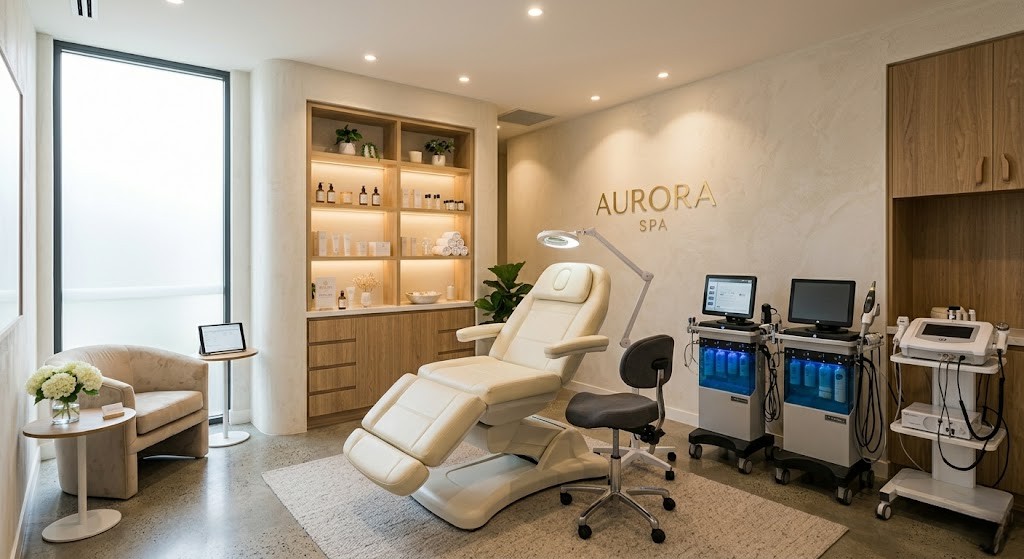
Begin with your treatment room. Place frequently used items in a logical order, prepare only what is appropriate for the booked service, and learn the approved sanitation and storage expectations for your setting. This approach helps a new graduate esthetician move through appointments with greater ease.
Consider creating a service-day checklist that fits your workplace’s procedures:
- Review the day’s appointments and service types.
- Prepare the treatment area according to workplace standards.
- Confirm that products and supplies are ready for each scheduled service.
- Review any approved client notes or appointment details before the service.
- Reset the room carefully after each appointment.
- Record any approved notes promptly and clearly.
- Prepare for the next client with a fresh, welcoming mindset.
Workflow includes physical comfort as well. The Canadian Centre for Occupational Health and Safety notes that alternating positions, adjusting the workstation to suit the user, and using appropriate seating or rest options can help reduce fatigue associated with prolonged standing or sitting. Explore CCOHS ergonomic guidance as you develop sustainable work habits.
A new graduate esthetician can also support a smoother workflow by arriving with enough time to settle in, review the schedule, and prepare mentally for the day. Small routines create a reliable foundation for professional confidence.
Days 31 to 60: Strengthen the Client Experience
By the second month, many daily processes begin to feel more familiar. This is a valuable time for a new graduate esthetician to focus on the details that make an appointment feel personal, clear, and welcoming. Technical skills remain central, while communication, observation, and thoughtful follow-through become increasingly important.
A positive client experience begins before the service itself. Greet clients warmly, confirm the purpose of the appointment, and invite questions in a way that feels open and professional. During the service, explain relevant steps in clear language and check in at appropriate moments so the client feels comfortable and informed.
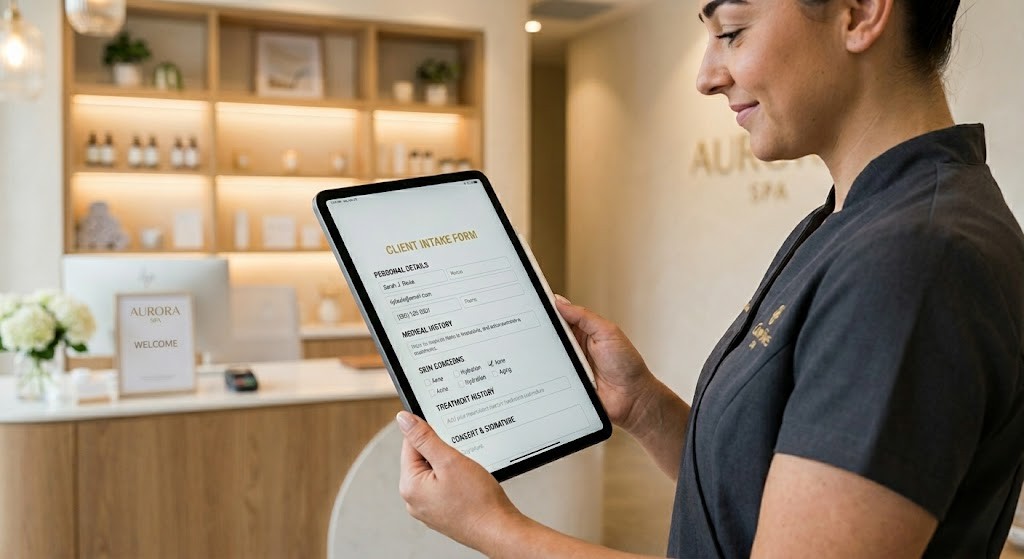 Each person may have a different level of familiarity with beauty and wellness services. Some clients want detailed education, while others prefer a calm and simple overview. Listening carefully helps you adjust your communication style while maintaining a consistent professional approach.
Make service education easy to understand
A new graduate esthetician can build trust by explaining services in straightforward, client-friendly language. Instead of using technical terms without context, describe what a step is intended to support and invite the client to ask questions. Clear education helps clients participate in their own service experience.
You can use simple phrasing such as:
- “I will explain each step as we go so you know what to expect.”
- “Before we begin, is there anything you would like me to know about your preferences?”
- “Would you like a brief overview of the products being used today?”
- “At the end of the appointment, I can summarize the service and answer any follow-up questions.”
This type of language creates a supportive atmosphere without making assumptions about the client’s prior knowledge. It also gives a new graduate esthetician a flexible structure for delivering thoughtful service education.
Client Communication for Estheticians
Client communication for estheticians is a professional skill that develops through preparation, active listening, and practice. Strong communication helps you understand client preferences, clarify service expectations, and create an experience that feels attentive from start to finish.
Before a service, use the consultation process approved by your workplace. Listen closely to what the client shares, ask relevant follow-up questions, and confirm your understanding before moving forward. A new graduate esthetician does not need to overcomplicate this moment; a calm, respectful conversation can make a meaningful difference.
During the appointment, check in naturally. You might ask whether the client is comfortable, whether they would like more or less conversation, or whether they have questions about the service steps. These small moments help the client feel included.
After the service, provide a concise recap based on your workplace protocols and professional scope. Confirm any relevant next steps, answer questions, and thank the client for their visit. Thoughtful follow-up can make the end of an appointment feel just as polished as the beginning.
Digital tools can also support organized client communication when they are part of your workplace’s approved processes. GlowHives offers information for professionals exploring a connected business presence through its resources for beauty businesses and platform feature overview. Review the available information directly to understand which resources may fit your business or workplace goals.
Days 61 to 90: Shape Your Professional Direction
In your third month, you may begin to notice the services, client interactions, learning topics, and workplace responsibilities that energize you most. This is a useful time for a new graduate esthetician to reflect on emerging interests and set a few practical goals for the next stage of professional development.
Specialization does not have to mean making an immediate, permanent decision. It can simply mean noticing where you would like to deepen your knowledge. You may be drawn to skin care education, brows and lashes, wellness-focused services, makeup artistry, client experience, or the operational side of a salon or spa.
GlowHives category pages can help beauty professionals and clients explore a range of specialties, including skin care services, brows and lashes, makeup and beauty, and wellness options. For a new graduate esthetician, reviewing how specialties are presented online can also inspire clearer ways to describe your own developing interests.
Build a professional learning plan
Choose one or two realistic learning priorities for the next three to six months. A focused plan is easier to maintain than a long list of unrelated goals. You might decide to deepen product knowledge, improve consultation conversations, observe a senior professional, practise a service process under appropriate supervision, or explore a continuing-education opportunity.
 Professional education can support both confidence and curiosity. The Professional Beauty Association provides information about scholarships and professional-development opportunities for beauty professionals. Review professional development opportunities and look for education that fits your goals, credentials, workplace policies, and local requirements.
A new graduate esthetician can make progress by recording what they learn after each course, workshop, product session, or mentor conversation. Note how the information may apply to future client conversations, service preparation, or career interests.
Professional Esthetics Training Beyond Graduation
Professional esthetics training continues long after school because beauty and wellness professionals regularly build new knowledge through workplace experience, product education, local requirements, mentorship, and structured courses. The goal is not to pursue every trend; it is to choose learning that supports the type of professional you want to become.
As a new graduate esthetician, begin by strengthening the essentials: consultation skills, sanitation practices, service sequencing, product familiarity, communication, and organized note-taking. These areas support many different career paths and help you feel more prepared as responsibilities grow.
When selecting an education opportunity, ask a few practical questions:
- Does this training align with my current professional goals?
- Is the educator or organization reputable and relevant to my scope of practice?
- Will this help me serve clients with clearer knowledge and confidence?
- What preparation, credentialing, or workplace approval is needed?
- How can I apply the learning responsibly in my current role?
Professional growth is often cumulative. Each well-chosen learning experience can add another useful layer to the knowledge and confidence of a new graduate esthetician.
Build an Organized Professional Presence
As your confidence develops, it can be useful to consider how clients and peers discover your work. An organized digital presence can help people understand your professional interests, the type of services you offer, and how to take an appropriate next step.
Start with accuracy and clarity. Use professional photos when permitted, write service descriptions that are easy to understand, and keep your contact or booking information current according to your workplace’s processes. If you are developing an independent practice, explore options for listing your beauty business and review guidance about creating a business listing.
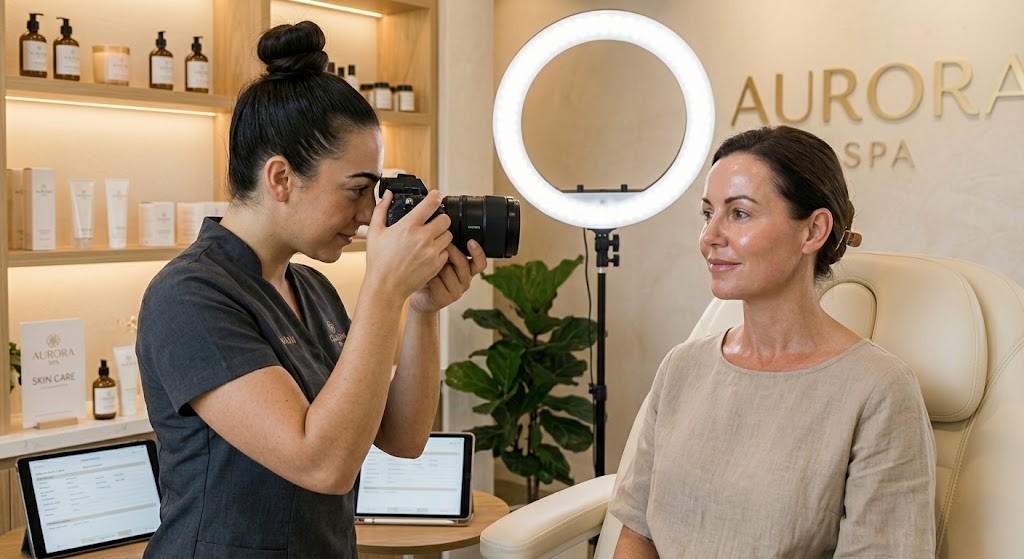 A new graduate esthetician can also use a digital portfolio thoughtfully. Only share images with appropriate client consent and workplace approval. Focus on presenting your work professionally, describing services accurately, and celebrating your learning journey without overstating your experience.
If you work in a spa environment, the spa-focused business solution page and the skincare studio resource page may offer relevant context for how specialty businesses can present their services online.
Career Growth in the Beauty Industry
Career growth in the beauty industry often begins with consistent habits: being prepared, communicating clearly, seeking feedback, respecting workplace processes, and making time for professional learning. These habits help a new graduate esthetician become a reliable team member while continuing to develop an individual professional identity.
Set goals that are specific and encouraging. For example, you may want to become more confident explaining one service, learn a product range more thoroughly, improve your appointment preparation routine, or take part in a relevant training session. Small goals make progress visible.
It is also valuable to build relationships within the industry. Stay connected with classmates, instructors, mentors, local professionals, and education providers. A supportive professional network can offer inspiration, learning opportunities, and a broader understanding of the many directions a beauty career can take.
GlowHives provides resources across beauty and wellness categories, including medical aesthetics discovery, hair removal services, and nail services. Exploring related areas can help a new graduate esthetician learn how diverse specialties are communicated to clients.
Your 90-Day Action Checklist
Use this checklist to reflect on your first three months and recognize the progress you are making as a new graduate esthetician.
- Learn the workplace’s approved service, sanitation, and room-preparation processes.
- Create a repeatable setup and reset routine for your treatment space.
- Practise clear, welcoming client consultations.
- Build a simple habit of reviewing approved appointment information before each service.
- Ask a manager or mentor for constructive feedback on one area of development.
- Choose one professional esthetics training topic to explore next.
- Identify one specialty or service area you would like to learn more about.
- Keep your professional presence accurate, organized, and aligned with workplace policies.
- Review ergonomic habits that support your comfort throughout the workday.
- Celebrate the skills and confidence you have built during your first 90 days.
Conclusion
Your first 90 days are an opportunity to turn education into everyday professional confidence. By learning your workplace rhythm, using practical workflows, listening carefully to clients, and continuing to develop your knowledge, a new graduate esthetician can create a positive foundation for the next stage of their career.
GlowHives supports beauty and wellness professionals with resources for presenting services and building a clearer digital presence. Explore GlowHives business information or visit the GlowHives approach to review current platform information and consider what may support your professional journey.
Frequently Asked Questions (FAQ)
1. What should a new graduate esthetician focus on during the first month?
A new graduate esthetician should focus on learning workplace procedures, preparing treatment spaces consistently, understanding service expectations, and asking thoughtful questions about approved workflows.
2. How can a new graduate esthetician improve service confidence?
A new graduate esthetician can improve service confidence by using repeatable preparation routines, reviewing service knowledge regularly, seeking constructive feedback, and practising clear client communication.
3. Why are esthetician workflow tips important for new professionals?
Esthetician workflow tips are important because organized preparation, room resets, appointment review, and note-taking can support a smoother and more focused client experience.
4. How can client communication for estheticians build stronger relationships?
Client communication for estheticians can build stronger relationships by encouraging active listening, clear service explanations, respectful check-ins, and helpful post-service conversations.
5. What is a practical next step for career growth in the beauty industry?
A practical next step for career growth in the beauty industry is choosing one focused learning goal, such as improving consultation skills, expanding product knowledge, or exploring professional esthetics training.